

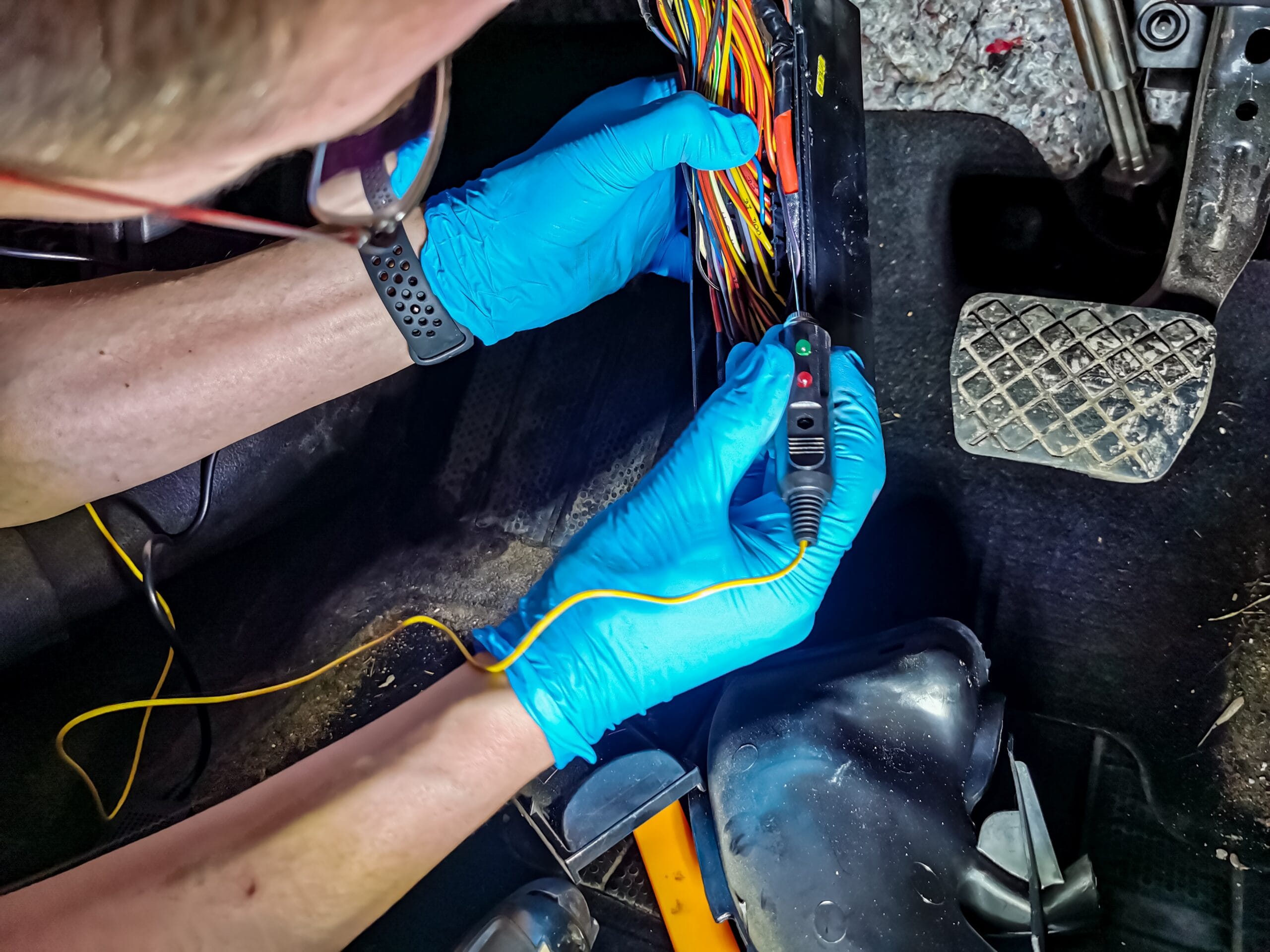
Caravan electric brakes are easy to forget about when everything feels normal. You hitch up, start driving and trust that the van will respond properly when you slow down. But when the brakes begin to wear, lose response or behave unevenly, towing can quickly feel less controlled.
Before a long trip, it is worth knowing the warning signs. Electric brake issues are not always dramatic at first, but small changes can point to problems that need checking.
The Van Feels Like It Is Pushing the Car
One of the most common signs of brake trouble is feeling like the caravan is pushing the tow vehicle when slowing down. This can happen if the brakes are not applying strongly enough or if the controller is not set correctly.
You may notice it more when going downhill, braking at higher speeds or towing a heavier load. If the setup does not feel balanced, it is worth investigating before the next trip.
Braking Feels Jerky or Uneven
Electric brakes should feel smooth and controlled. If braking feels jerky, delayed or uneven, something may not be working as it should.
This could relate to the brake controller, wiring, magnets, drums or general wear in the braking system. It may also happen if the brakes are not adjusted properly.
Uneven braking can make towing feel uncomfortable and may affect stability, especially on wet roads or during sudden stops.
The Brake Controller Shows Warnings
Many brake controllers will show warning lights, error messages or unusual readings when something is wrong. These alerts should not be ignored.
A warning may point to a wiring issue, poor connection, faulty brake magnet or problem between the tow vehicle and caravan. Sometimes the issue is simple, but it still needs proper checking.
If the controller keeps flashing or disconnecting, the braking system may not be responding reliably.
Stopping Distance Feels Longer
If your setup takes longer to slow down than usual, the electric brakes may not be helping enough. This can be dangerous, particularly when towing in traffic, on highways or through hilly areas.
Longer stopping distance can be caused by worn brake components, incorrect controller settings or electrical faults. It is one of those signs that should be taken seriously, even if everything still seems to work.
There Are Unusual Noises When Braking
Grinding, scraping, squealing or clunking sounds can suggest that parts of the braking system are worn or not moving correctly.
Some noise may come from dirt or surface rust, especially if the van has been sitting for a while. However, repeated or harsh sounds should be checked. Leaving it too long can lead to more damage and higher repair costs.
The Caravan Pulls to One Side
If the caravan pulls to one side while braking, the brakes may not be applying evenly. One side may be working harder than the other, or one brake may not be engaging properly.
This can make towing feel unpredictable and may put extra strain on tyres, suspension and braking parts. It can also become more noticeable when towing at speed or carrying extra weight.
Wiring or Plug Issues Keep Appearing
Electric brakes rely on a good connection between the tow vehicle and caravan. If the plug, socket or wiring is damaged, loose or corroded, the brakes may not receive a steady signal.
Signs can include intermittent braking, controller warnings or brakes that work one moment and not the next. This is especially common when vans are stored outdoors or used regularly in wet, dusty or coastal conditions.
The Brakes Have Not Been Checked in a While
Even if there are no obvious warning signs, electric brakes still need regular checks. Parts wear over time, wiring can loosen, and controller settings may need adjusting after changes in load or towing conditions.
For caravan owners looking into electric brake installations, it is also helpful to understand ongoing maintenance. A properly installed system still needs inspection to keep it working as intended.
Before Your Next Trip
Caravan electric brakes play an important role in towing safety and control. If braking feels weak, uneven, delayed or unpredictable, it is better to have it checked before heading away.
Julz Auto Electrix provides mobile auto electrical support for caravans and trailers across Melbourne’s western suburbs, including electric brake checks, wiring support and brake controller-related issues.