

Truck electrical faults can be frustrating because the cause is not always obvious. A truck might struggle to start, lose power to certain accessories, show warning lights or have lighting issues that come and go. Sometimes the problem looks simple, but the fault may be deeper in the wiring, battery, charging system or control modules.
This is where a truck auto electrician can help. Instead of guessing or replacing parts straight away, the goal is to test the system properly and narrow down where the issue is coming from.
Starting With the Symptoms
The first step is usually understanding what the driver has noticed. Does the truck fail to start? Do the lights flicker? Is the battery going flat? Does the issue happen all the time or only after driving for a while?
These details matter because electrical problems can be intermittent. A fault that appears only when the truck is hot, under load or parked overnight can point to a different cause than a fault that happens every time.
Checking the Battery and Connections
Many truck electrical problems begin with the battery or its connections. A weak battery, loose terminal or corroded connection can create starting issues, warning lights or unreliable power.
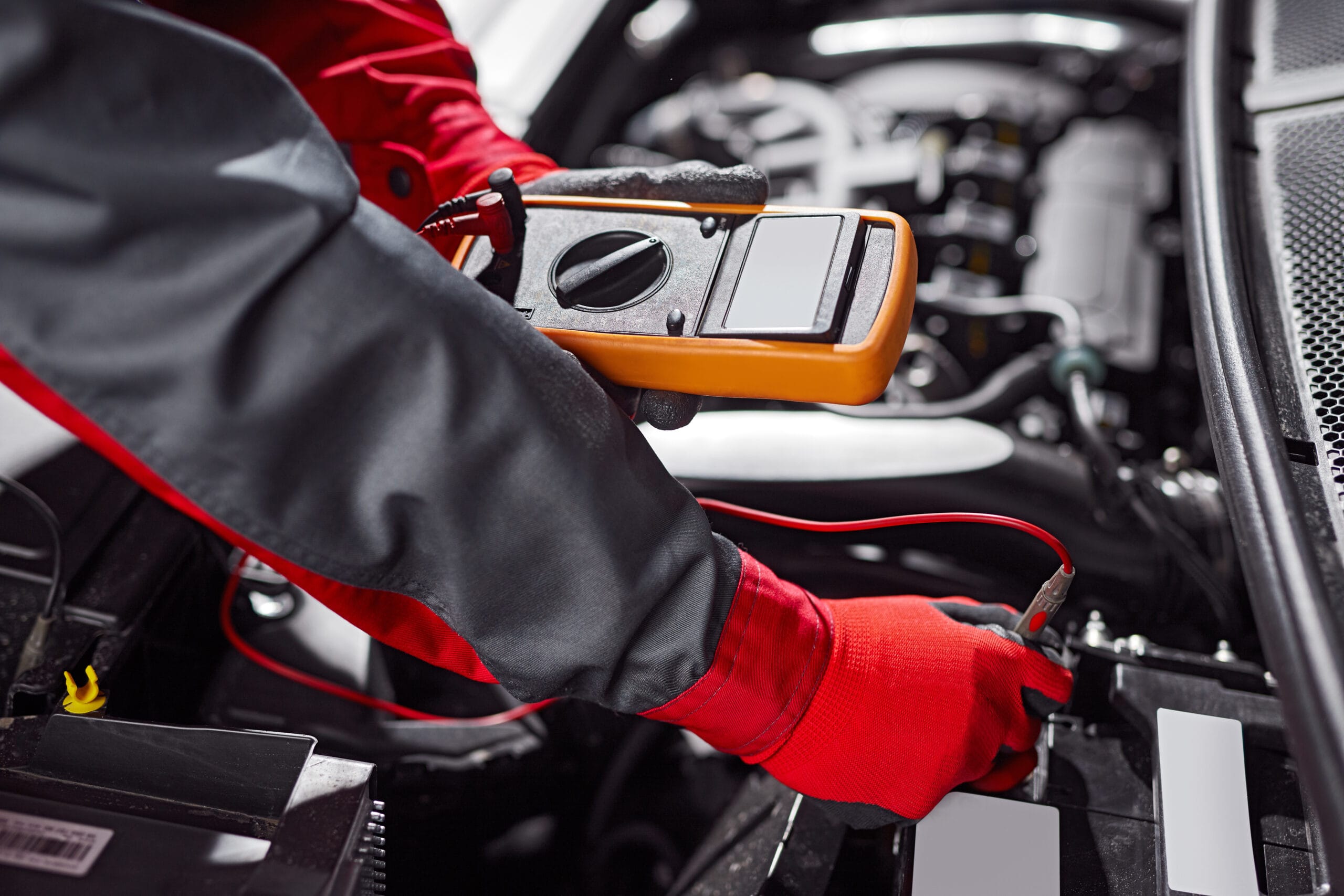
An auto electrician will often test the battery condition, check the terminals and inspect the main earth connections. Even a small amount of corrosion or a loose cable can affect how power moves through the vehicle.
Testing the Charging System
If the battery keeps going flat, the issue may not be the battery itself. The alternator, drive belt, wiring or charging circuit may not be working properly.
Charging system testing helps show whether the truck is producing and maintaining the right voltage. This is important for trucks that rely on lights, accessories, refrigeration, tools or other electrical equipment during daily use.
Looking for Wiring Faults
Truck wiring can deal with a lot of movement, vibration, dust, heat and moisture. Over time, wires can rub through, loosen, corrode or become damaged.
A truck auto electrician may inspect wiring looms, plugs, fuses, relays and connectors to find signs of wear or poor contact. In some cases, the problem may be a broken wire hidden inside a loom, which is why proper testing is more reliable than visual checks alone.
Using Diagnostic Tools
Modern trucks often rely on sensors, modules and electronic systems. Diagnostic tools can help read fault codes and show where a system may not be communicating properly.
Fault codes are useful, but they do not always tell the whole story. They point the technician in the right direction, but the issue still needs to be confirmed with testing. This helps avoid replacing parts that are not actually the cause.
Checking Lights and Accessories
Lighting problems are common in work vehicles. Headlights, brake lights, indicators, work lights and interior accessories can all develop faults over time.
Sometimes the issue is a blown globe or fuse. Other times, it may be a wiring fault, bad earth, damaged switch or poor connection. Testing each part of the circuit helps identify what is failing and why.
Finding Intermittent Faults
Intermittent electrical faults can be the hardest to diagnose. The truck may work perfectly one moment and then fail the next.
These faults often need patient testing. Movement, vibration, heat or moisture can all trigger the issue. A mobile auto electrician may need to test the vehicle in the conditions where the problem usually appears.
A Practical Takeaway
Truck electrical problems are not always solved by replacing the first part that looks suspicious. Good diagnosis means checking the symptoms, testing the battery and charging system, inspecting wiring, reading fault codes and confirming the actual cause.
For truck owners and operators, proper electrical diagnosis can help reduce downtime and avoid unnecessary repairs. Julz Auto Electrix provides mobile auto electrical support across Melbourne’s western suburbs, helping drivers identify and resolve faults in trucks, work vehicles, caravans and trailers.