
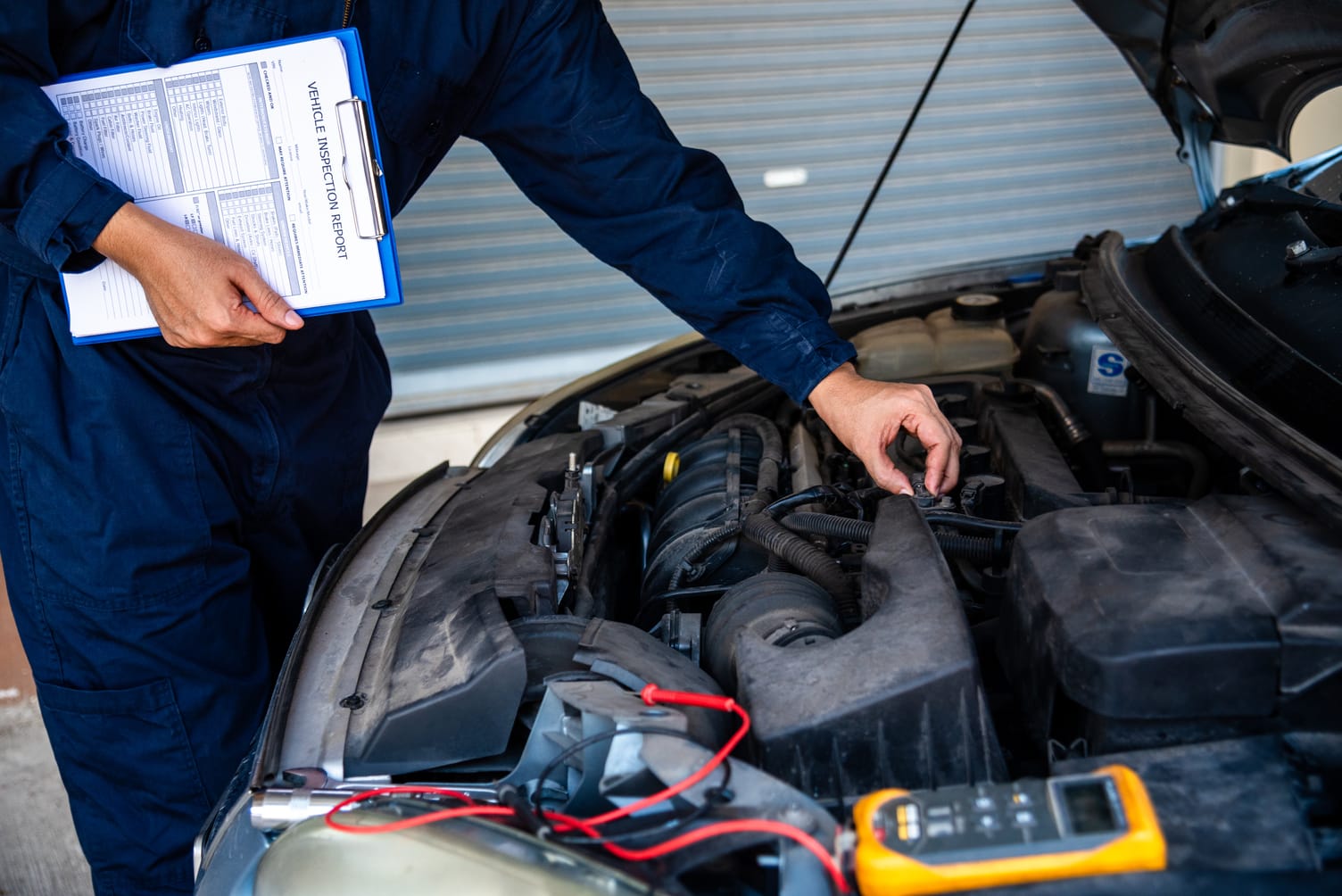
An auto electrician can investigate an electrical fault more effectively when they know what changed, when it happens and which parts of the vehicle are affected. Small details about the car’s behaviour can provide useful context before testing begins.
Drivers do not need to diagnose the problem themselves. The most useful role is to describe what the vehicle is doing as accurately as possible.
A Useful Fault Description Has Three Parts
A clear description should explain the symptom, the timing and the conditions around it.
What Changed?
Start with the function that is no longer behaving normally.
It might involve starting, exterior lighting, a power window, central locking, an accessory or another electrical feature. Being specific helps separate one affected circuit or component from a wider vehicle issue.
Instead of deciding what has failed, focus on what has changed from normal operation.
When Does It Happen?
Timing can reveal a pattern that may not be obvious during a short inspection.
An issue may appear only after the vehicle has been driven for a while, after sitting overnight or during repeated starts. Some faults disappear and return without a predictable schedule.
Knowing whether the problem is constant or intermittent gives the technician a clearer picture of what needs to be reproduced and tested.
What Else Is Happening at the Same Time?
Several electrical changes occurring together can provide more information than a single symptom viewed alone.
For example, an accessory may behave differently when another electrical function is in use. A starting issue may also occur alongside changes elsewhere in the vehicle.
These connections are worth mentioning, even when they seem unrelated.
Intermittent Faults Need a Pattern, Not a Guess
A problem that comes and goes is easier to investigate when its pattern is recorded.
If possible, note whether the fault tends to appear when the vehicle is cold, warm, stationary or being driven. Weather conditions may also be worth mentioning if the issue seems to occur after rain or on particularly hot days.
Intermittent vehicle electrical faults can be difficult to reproduce on demand. A few accurate observations from regular driving may therefore provide useful direction during testing.
Recent Work Can Change the Starting Point
Any electrical or mechanical work completed shortly before the fault appeared should be mentioned.
This might include a battery replacement, accessory installation, lighting work, repairs after an accident or other recent changes to the vehicle.
That does not necessarily mean the earlier work caused the issue. It just gives the technician a better idea of what has changed since the vehicle was last running normally.
If invoices or repair records are available, they can provide further context without relying entirely on memory.
Battery History Can Be Useful Even When the Car Still Starts
The condition and recent history of the battery can matter when investigating an electrical issue.
If the battery has recently been replaced, has been repeatedly discharged, or has required jump-starting, mention it. The same applies if the vehicle has been parked for long periods or has recently developed unusual starting behaviour.
A battery problem is not the only possible explanation for an electrical fault, which is why this information should be treated as context rather than a diagnosis.
Proper testing can determine whether the battery, charging system or another electrical component needs attention.
Accessories and Modifications Are Worth Mentioning
Aftermarket electrical equipment becomes part of the vehicle’s electrical environment once installed.
Dash cameras, driving lights, audio equipment, trailer connections and other accessories may involve additional wiring, power supplies, switches or control equipment.
If a problem started after equipment was added, removed or altered, tell the technician what changed and roughly when.
Even professionally installed accessories are useful to know about because they provide a more complete picture of the vehicle.
Previous Faults Can Reveal a History
If the same electrical problem has happened before, it is worth mentioning, even if the vehicle seemed fine in between.
Think back to whether the same feature has failed before, whether a fuse or part was replaced, or whether an earlier repair dealt with something similar.
Previous workshop records can be particularly useful for vehicles that have changed owners or been maintained by several repairers.
A fault history helps distinguish a genuinely new problem from something that has returned.
Photos and Videos Can Capture a Fault That Disappears
A quick photo or video can preserve useful information when an electrical problem is difficult to reproduce.
This can be helpful for an intermittent dashboard message, a light behaving unexpectedly or an accessory that works normally again by the time the vehicle is inspected.
Record the behaviour only when it is safe to do so. Do not use a phone while driving or attempt to access electrical components yourself.
The purpose is simply to show the technician what happened when the fault was present.
Avoid Deciding Which Part Needs Replacing
The symptom should guide the diagnosis rather than a suspected component.
Starting problems, battery drain, lighting faults and malfunctioning accessories can involve more than one part of a vehicle’s electrical system. Replacing the most obvious component first does not necessarily address the actual cause.
Providing accurate symptoms allows testing to determine whether the issue involves wiring, a connection, battery, alternator, fuse, sensor or another component.
This keeps the investigation focused on evidence rather than assumptions.
Give the Auto Electrician a Clear Starting Point
The most helpful information is usually simple: what changed, when it happens, what else is affected and whether anything was recently repaired or installed.
That background provides the technician with context before testing the vehicle’s electrical system. It is particularly valuable when the problem is intermittent or difficult to reproduce.
If you need auto electrical repair in Melbourne, providing a clear fault history can help make the diagnostic process more focused from the beginning.
Julz Auto Electrix provides mobile electrical diagnostics and repairs across Melbourne for cars, trucks and other vehicles, helping identify faults before the appropriate repair is carried out.